Noah Heilveil
Technical Artist ♦ Environment Artist
Research Design

Students in Higher Education struggle to engage in meaningful learning resulting in underdeveloped critical thinking skills and an inability to self-direct toward future learning— as the student does not understand the material being taught, they cannot possibly have reached the level of meta-cognitive knowledge to individually recognize their personal cognitive process.
The Problem in Higher Education
Research Gap - Questions
What factors impact students learning, reviewing, or implementing new knowledge?
How have attitudes towards critical thinking changed over time?
What methods and measures of CT skills have been historically valid?
Can educational objectives related to critical thinking be applied in scenarios outside of original gameplay?
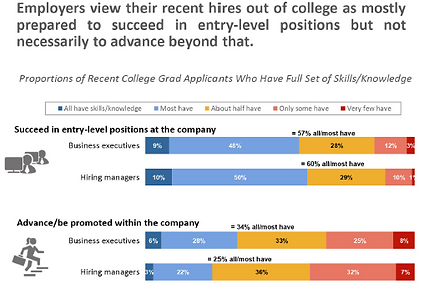
Hart Research Associated conducted an employer survey of 501 business executives in 2018 and found, 78% identified critical thinking/analytic reasoning as the most important skill they look for when hiring employees; however, in the same survey it was noted that only 34% of college graduates arrive well prepared in critical thinking.
(Hart Research Associated, 2018)

John Hattie - Visible Learning
Through the Hart Associated study, it became clear that there is present desire for critical thinking skills in the work force, but that a large portion of current graduates do not match the expectations of potential employers.
Ok, so why is that? I began researching what factors might most impact student learning, leading me to John Hattie’s work, Visible Learning: A Synthesis of Over 800 Meta-Analyses Relating to Achievement wherein he identifies 252 different influences on student achievement in a variety of contexts. Such as socioeconomic status, or whether or not you reside in on campus residence halls.

At this point in the conversation, as I am discussing influences on student learning and critical thinking, I feel I must address the super-server sized computer-generated elephant in the room. During the process of writing this paper there was an explosion in the accessibility of ai tools and a surge in conversation surrounding their use in education. At the advent of this conversational shift this thesis was too far along to include an appropriately researched and thoughtful discussion of ai in its scope.
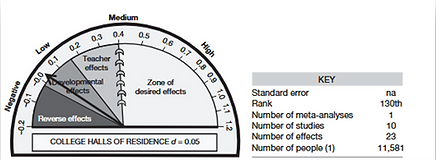
(Hattie, 2008)